
What your child reads shapes how they think, feel, and see the world. Living books and classical literature are among the most powerful tools a Muslim family has for raising children of conscience and character. Here is what they are, why Islam affirms them, and how to choose well.
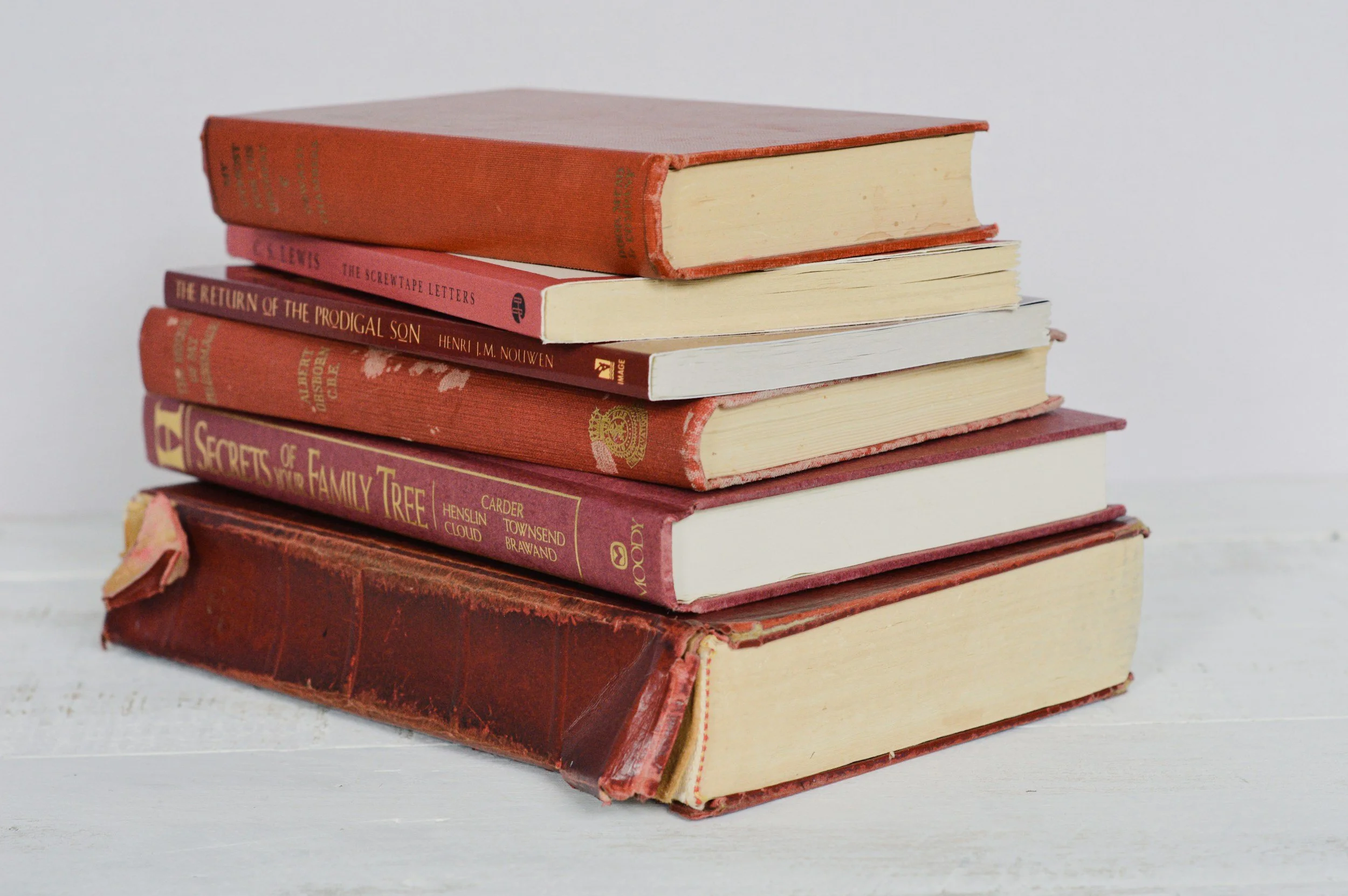
Discover the power of living books and classical literature
There is a question worth sitting with before you choose a single book for your child this year.
What do you actually want reading to do for them?
If the answer is simply to improve their vocabulary or tick a curriculum box, almost any book will do. But if you want reading to build character, deepen their understanding of the world, sharpen their moral instincts, and form them as thinkers and human beings, then the choice of book matters enormously.
This is where the concept of living books becomes one of the most useful ideas in education. And it is an idea with profound resonance for Muslim families.
What is a living book?
The term comes from Charlotte Mason, a nineteenth century British educator whose ideas have seen a remarkable revival in homeschooling communities around the world, including among Muslim families here in Australia.
Charlotte Mason drew a clear distinction between two kinds of books. On one side she placed what she called "cram books": textbooks, readers, and study guides that present information in flat, impersonal prose, organised for easy consumption rather than genuine understanding. On the other side were living books: books written by a real author who genuinely knew and cared about their subject, and whose passion and ideas come through on every page.
A living book is not defined by its age, its length, or its difficulty level. It is defined by what it does to the reader. It sparks a question they had not thought to ask. It creates a character they carry around in their head long after finishing. It makes a historical period feel genuinely inhabited, or puts a moral dilemma so vividly that the reader has to think their way through it rather than simply accept a conclusion.
As Charlotte Mason described it, a living book is alive with thought, feeling, and delight in knowledge. A cram book is not. The difference is felt on the first page.
What is classical literature and how does it relate?
Classical literature refers to texts that have proven their worth across time: books that have been read, loved, and returned to by readers across generations and cultures because they speak to something permanent in human experience. They are not limited to ancient Greek and Roman writing. The term encompasses the great novels, biographies, narratives, and works of natural history produced from the early modern period through to the twentieth century.
Classical texts and living books overlap significantly. Many classical texts are living books: they are written with genuine care, they carry ideas that endure, and they reward a reader who brings their full attention to them. Some classical texts, however, have aged poorly in their attitudes, or were never truly alive to begin with. This is why selection matters, and why the assumption that any old classic will do is not good enough for families who care about what their children are absorbing.
The best classical literature is rich, demanding, and morally serious. It does not talk down to young readers. It asks them to grow.
Why living books and classical literature matter for Muslim children
Islam is a tradition that has always placed extraordinary weight on language, story, and the formation of the whole person. The Quran itself is understood to be the highest form of Arabic expression. The Prophet, peace be upon him, was a man of profound eloquence who taught through parable, example, and vivid narrative. Our scholarly tradition across centuries is built on words that move people toward understanding and action.
When we give our children living books, we are participating in something deeply compatible with this tradition. We are engaging their intellect, which Islam commands us to use. We are guiding their natural disposition toward truth and goodness, something meaningful to respond to. And we are forming readers who can think, who can question, and who care about the world they live in.
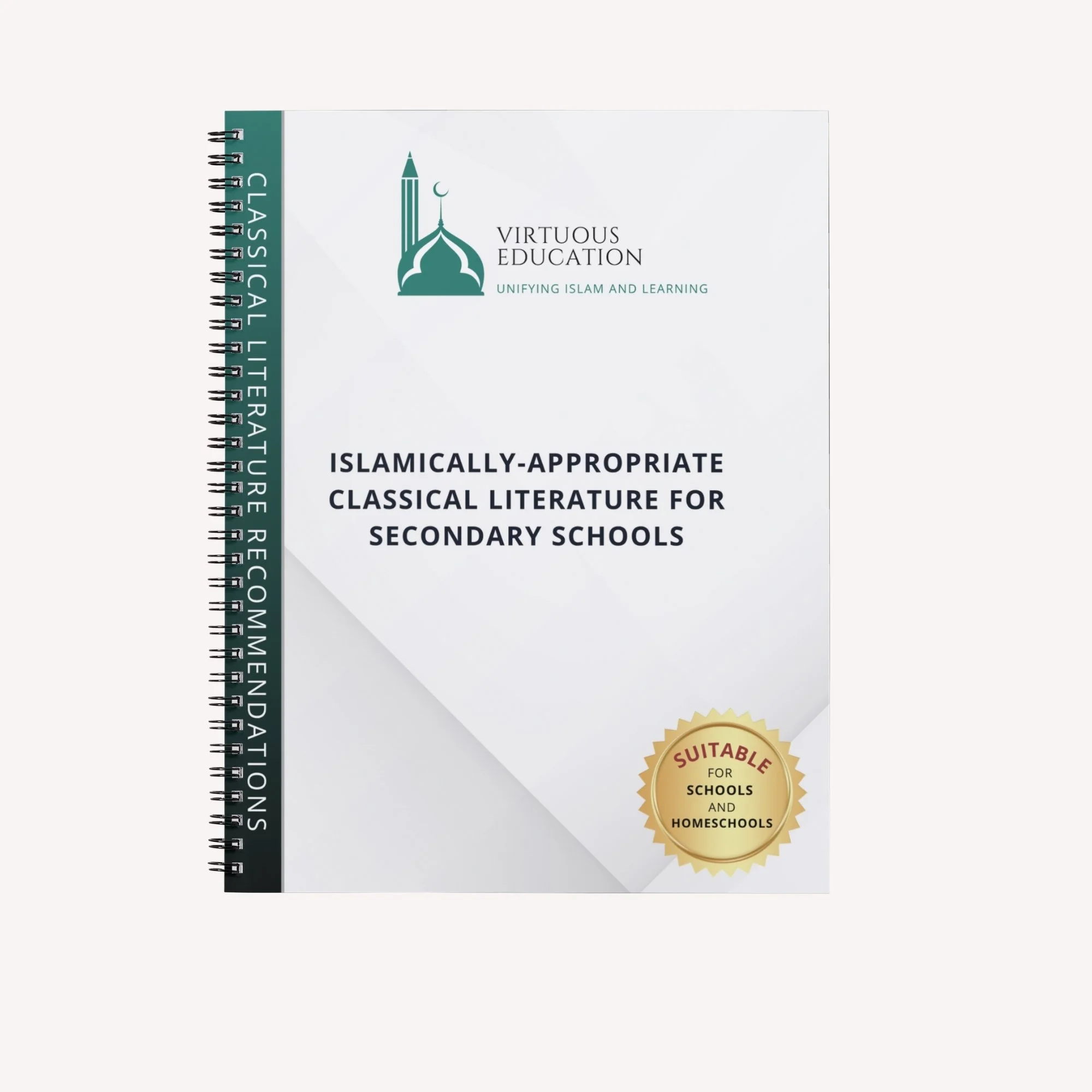
FREE Guide on Classical Literature and Living Book Recommendations
We have built a comprehensive, free printable literature guide for Muslim Australian families covering more than 60 classical and living books across 12 themed sections for Years 7 to 12. Every single text has been individually assessed against seven Islamic content criteria before inclusion: no profanity, no sexual themes, no homosexual characters, no glorified evil, no Shirk, no mocking of religion, and no magic.
The guide is organised by theme so you can match the right book to what your student is working through right now. Each entry includes a plain language summary, the themes explored, Australian Curriculum cross-curricular links, a recommended year level, and guidance on which readers it suits best.
We have also included dedicated sections on Indigenous Australian literature and on Muslim writers and Islamic themes, because your child deserves to see both the country they are growing up in and the tradition they belong to reflected in what they read.
This is not a generic reading list with a few Islamic titles added for appearance. It is a guide built from the ground up for Muslim families, by educators who understand what you are trying to build.
We pray that the books your children read become a doorway into a richer, more grounded understanding of themselves, their Deen, and the world they are being called to serve.